
A New Era of Automation: The Basics of Flexible Robot Arms
I remember when I first encountered flexible robot arms back in 2015. As a technician fascinated by automation, I was struck by their adaptability and precision. A piece of data that stands out is that by 2022, over 1.1 million industrial robots were estimated to be in operation worldwide. This raises an interesting question: how does a flexible robot arm differ in functionality and application compared to traditional robotic systems?
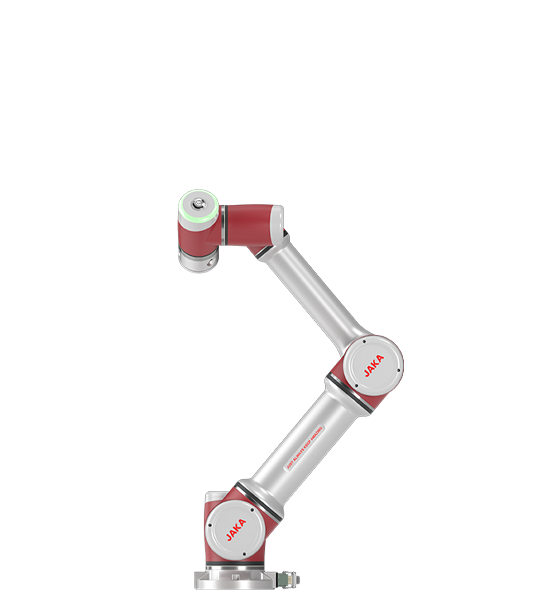
Flexible robot arms are designed to handle a variety of tasks in unpredictable environments. Unlike older rigid robots, which can only perform one task in a fixed position, these arms can navigate around obstacles and adjust their movement as necessary. Most models are equipped with advanced features like machine learning algorithms and collision detection systems, which significantly enhance their efficiency. For this purpose, the collision detection robot is a game changer, preventing potential mishaps in dynamic work settings. Imagine a warehouse where robots move swiftly among humans and payloads—without accurate collision detection, chaos could erupt!
Identifying Pain Points: Why Collision Detection Matters
When employing flexible robot arms, one hidden pain point often overlooked is the issue of safety. I’ve witnessed stacks of materials getting knocked over, resulting in costly downtimes. It’s critical to understand that robust collision detection systems can mitigate these risks. With the right sensors and software, robots can identify nearby obstacles and adapt their paths. This feature isn’t a luxury—it’s a necessity in environments like manufacturing plants or assembly lines.
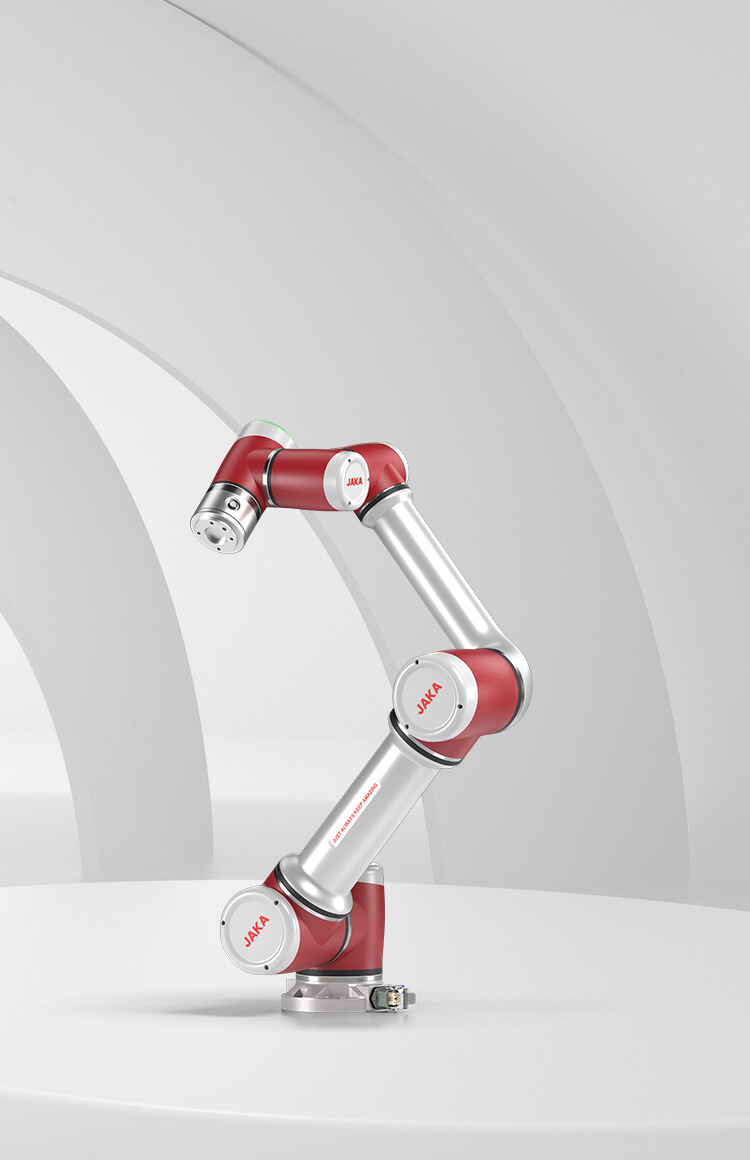
Are Your Robots Ready for the Future?
It’s fascinating to see how flexible robot arms evolve, equipped with sensors that enhance their interaction with human workers. A recent trend highlights the adoption of deep learning in collision detection. As a technician, I’ve come to appreciate how data-driven decisions shaped by real-time interruptions (like unexpected personnel movements) can immensely boost safety protocols. The collision detection robot exemplifies this, smoothly integrating AI to enhance operational effectiveness while ensuring safety. It’s not just about machines replacing labor; it’s about making human environments safer and more efficient.
Looking Ahead: The Future of Automation and Safety Standards
Now, let’s look forward—there’s so much potential for flexible robot arms in various industries. Current advancements suggest that these robots could soon not only adapt to their environments but also anticipate challenges based on historical data. If you think about it, the ability to predict collisions before they happen could redefine safety standards across boardrooms and factories alike. Our experience shows that industries are prioritizing this predictive capability, leading to fewer accidents and improved productivity.
What’s Next for Industrial Robotics?
While we can marvel at where we are today, I can’t help but think about where we’re headed. As the realm of robotics embraces machine learning and AI, the next generation of flexible robot arms will likely operate autonomously, making real-time decisions. I recall a project where we integrated advanced sensors into robotic systems, drastically reducing error rates. This forward-thinking approach could become the new norm, leading to a workplace that is less about mundane tasks and more about creative problem-solving.
The Key Takeaways: Ensuring Safety and Efficiency
To sum it up, while flexible robot arms represent a significant evolution in automation, ensuring their efficiency hinges largely on effective collision detection capabilities. As you consider integrating these into your operations, evaluate how well they’re equipped to handle unexpected variables. Key metrics to keep in mind are system reliability, adaptation speed, and safety records. In the end, ensuring that your automated workforce can coexist harmoniously with human operators is paramount for sustainable growth.
I’ve seen firsthand how the right tools can transform workflows, so I urge you to explore options carefully. Remember, investing in reliable technology like that offered by JAKA can pave the way for a safer, more efficient future. In this rapidly evolving world, let’s embrace the change, shall we?